20th Anniversary iPhone's Display May Have No Visible Frame or Bezels
The Revolutionary 20th Anniversary iPhone: A Bezel-Less Future?
Exciting news is swirling around the upcoming 20th-anniversary iPhone, slated for release in 2027. Multiple reports from reputable sources like ETNews, Bloomberg, and The Information point towards a radical redesign – a completely bezel-less, all-screen device. This would be a massive departure from previous designs and potentially one of the most significant changes in iPhone history since the iPhone X.
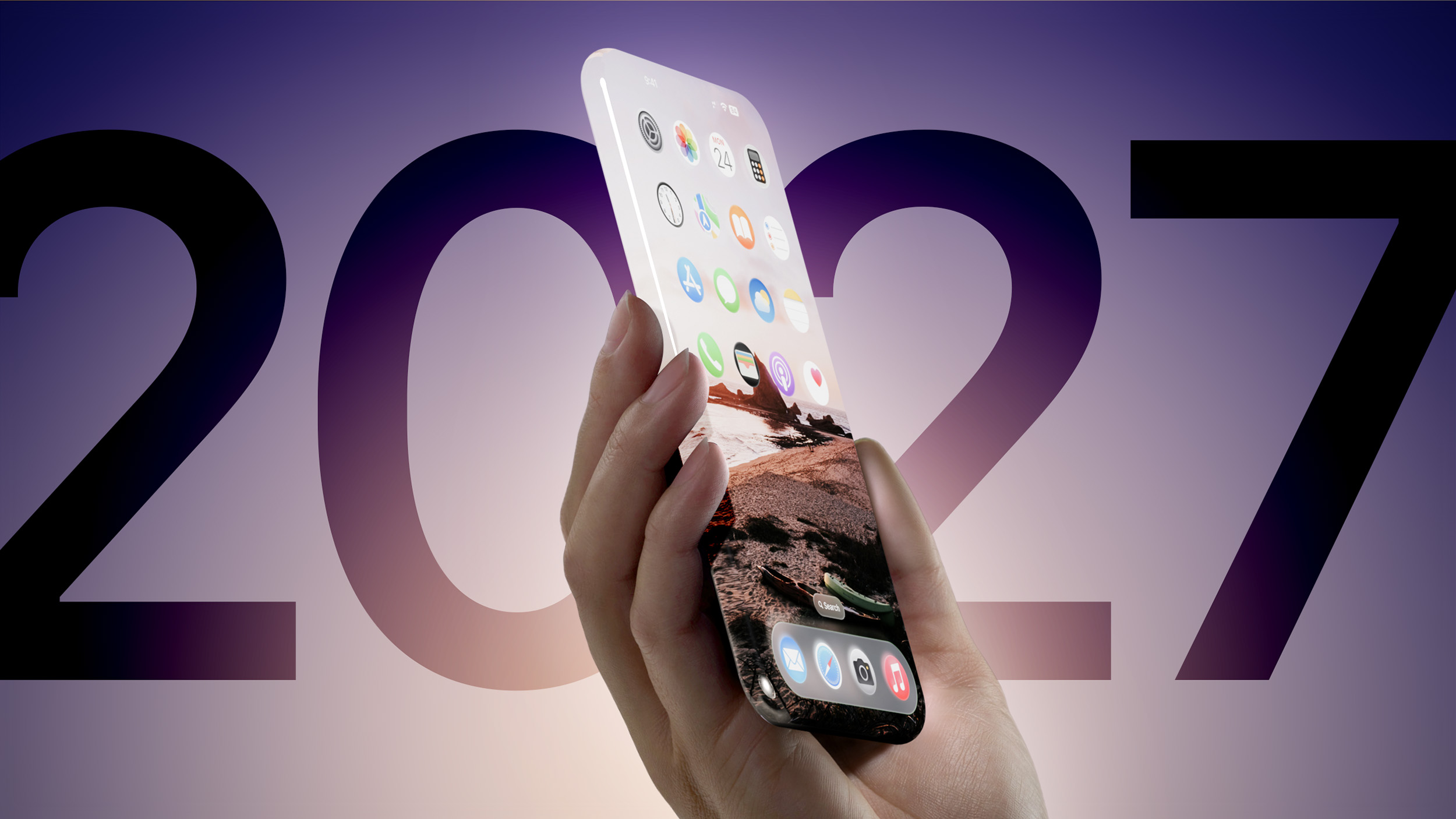
ETNews, a prominent Korean publication, reported that Apple is aiming for "four-edge bending" display technology. This means the screen will curve not just along the sides, like some existing phones, but also gracefully around the top and bottom edges. The result? A truly immersive, borderless visual experience where content flows seamlessly from edge to edge.
This isn't the first hint of this ambitious design. Bloomberg, in a separate report, described Apple's plans for a "mostly glass, curved iPhone without any cutouts in the display." The Information also added weight to these claims, citing multiple sources supporting the development of at least one edge-to-edge iPhone model in 2027. Furthermore, Bloomberg previously suggested that this revolutionary design will grace a Pro model within Apple's 2027 lineup.
This bezel-less design would signify a monumental leap forward, surpassing even the significant design changes introduced with the iPhone X’s removal of the Home button and adoption of a notched display and swipe gestures. It's a bold move that would undoubtedly redefine the iPhone's aesthetic and user experience.
Beyond the Screen: Advanced Technologies
The bezel-less display is only part of the story. Apple's pursuit of a next-generation iPhone for its 20th anniversary extends to other key components. The company is reportedly exploring a new OLED display driver IC (DDI) based on 16nm FinFET process technology. This represents an upgrade from the current 28nm planar process, promising significant improvements in power efficiency.
This increased efficiency is critical as iPhones become slimmer and incorporate more power-hungry features like enhanced on-device AI. Further fueling the ambition, MacRumors reported on Apple's exploration of pure silicon batteries instead of graphite-based ones. This change could lead to a substantial increase in energy density, enhancing battery life significantly.
Apple is reportedly preparing to engage with its key OLED suppliers, Samsung Display and LG Display, to discuss the feasibility and implementation of these advanced technologies in the commemorative 20th-anniversary model.
Technical Challenges: Overcoming the Hurdles
Achieving a four-sided curved, all-screen design presents Apple with a multitude of significant technical challenges. One of the most prominent is integrating the front-facing camera, sensors, and speakers without compromising the seamless display experience. Simply put, where do you put them?
As a potential stepping stone, The Information reported that the iPhone 18 Pro and iPhone 18 Pro Max models, expected before the 20th-anniversary edition, will feature under-screen Face ID. This would leave only a small pinhole for the front-facing camera. Ross Young, vice president of Counterpoint Research, subsequently corroborated this information.
Under-display selfie cameras are already a feature in some Android phones. Apple's been working on its own solution for quite some time. An April 2024 report indicated that LG Innotek, a key Korean supplier for Apple, is developing advanced under-display cameras with a "freeform optic" multiple lens array. This technology is designed to minimize image distortion and boost brightness, effectively addressing the common issues of light loss and image quality degradation associated with under-display cameras.
Beyond the camera, the four-sided curved design poses structural challenges. Bending the screen on all sides introduces new stress points, potentially making the device more vulnerable to damage from drops and impacts. The lack of bezels will also require adjustments to user interaction. Apple will need to refine its palm-rejection algorithms and potentially revamp iOS gesture navigation to account for edge-sensitive inputs, ensuring that accidental touches are minimized.
If these reports prove accurate, Apple faces a significant challenge in overcoming these hardware and software hurdles within the next two years. However, if successful, a fully bezel-less, all-screen iPhone would be a breathtaking achievement, serving as a truly fitting celebration of two decades of the iPhone's remarkable legacy.
This article, "20th Anniversary iPhone's Display May Have No Visible Frame or Bezels" first appeared on MacRumors.com
Discuss this article in our forums
from MacRumors
-via DynaSage

Post a Comment