The Jupiter Ace Remembered
Remembering the Jupiter Ace: A Forth-Driven Retro Computer
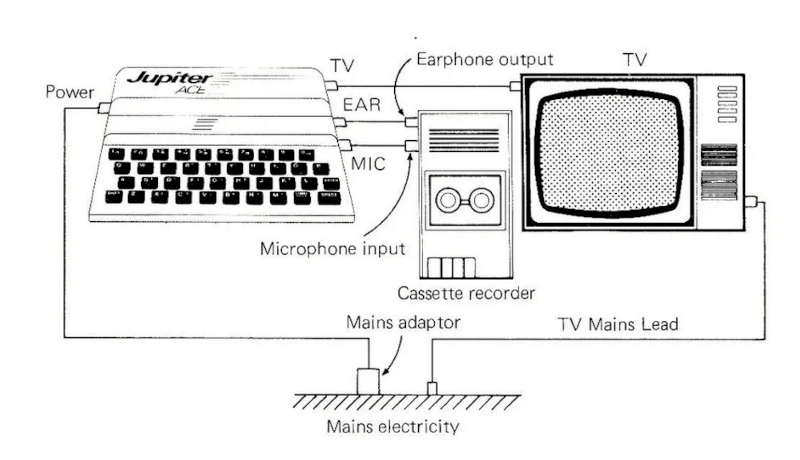
Over forty years ago, two designers of the iconic Sinclair ZX Spectrum embarked on a new venture, creating the Jupiter Ace. This intriguing little computer, a nostalgic reminder of a time when TVs served as monitors and cassette recorders handled data storage, holds a unique place in computing history. A recent post by Nemanja Trifunovic delves into the Ace's story, sparking our own fond memories of this retro machine.
Forth: A Bold Choice for a Home Computer
What set the Jupiter Ace apart from its contemporaries was its programming language: Forth. While most home computers of the early 1980s relied on BASIC, the Ace embraced Forth's efficiency and interactive nature. This decision, though appealing to tech enthusiasts, ultimately hindered its commercial success. As Trifunovic's post highlights, this unconventional choice may have earned the Ace "geek cred," but it didn't translate into sales. The computer faded into obscurity within a year of its release.
Was Forth the Real Culprit?
The question remains: was Forth the primary reason for the Ace's downfall? While less familiar to the average user than BASIC – which dominated computer magazines and educational materials of the time – Forth itself wasn't inherently flawed. Its efficiency and interactive design offered advantages. Trifunovic argues that the real issue lay elsewhere.
Outdated Hardware: A Fatal Flaw
The Jupiter Ace offered only 3KB of RAM and lacked color graphics. In 1978, these limitations might have been acceptable. However, the Ace launched in 1982, a time of rapid advancements in home computer technology. Competitors offered significantly more powerful machines, often for a similar price. The Ace's hardware simply couldn't compete.
Another factor contributing to the Ace's demise was the changing user base. As computers became more mainstream, the average user became less technically inclined. They prioritized ease of use and pre-programmed software (loaded from cassettes or cartridges) over the underlying programming language.
A World Where Forth Reigned Supreme?
It's tempting to imagine an alternate history where Forth became the dominant language for personal computers. Given the Jupiter Ace's limited production run, it's not surprising that numerous projects have sprung up around the original hardware or replicas. Today, recreating the Ace's functionality can be remarkably simple, even achievable with a single chip.
The Legacy of the Jupiter Ace
While the Jupiter Ace may not have achieved commercial success, its unique approach to home computing deserves recognition. It serves as a reminder that innovation doesn't always guarantee market acceptance, and that sometimes, even the most intriguing ideas can be overshadowed by factors beyond their control. The Ace's story remains a fascinating footnote in the history of computing, a testament to the bold choices and rapid evolution of technology in the early 1980s.
The Jupiter Ace reminds us of a time when the home computer landscape was a hotbed of experimentation. While BASIC ultimately won the popularity contest, the Ace’s Forth-based approach offered a glimpse into a different path, one that prioritized efficiency and interactivity. Though commercially unsuccessful, the Ace remains an important part of computing history, showcasing the diversity and innovation of the era.
from Hackaday
-via DynaSage

Post a Comment