Self-Hosting a Cluster on Old Phones
Breathing New Life into Old Smartphones: Building a Home Kubernetes Cluster
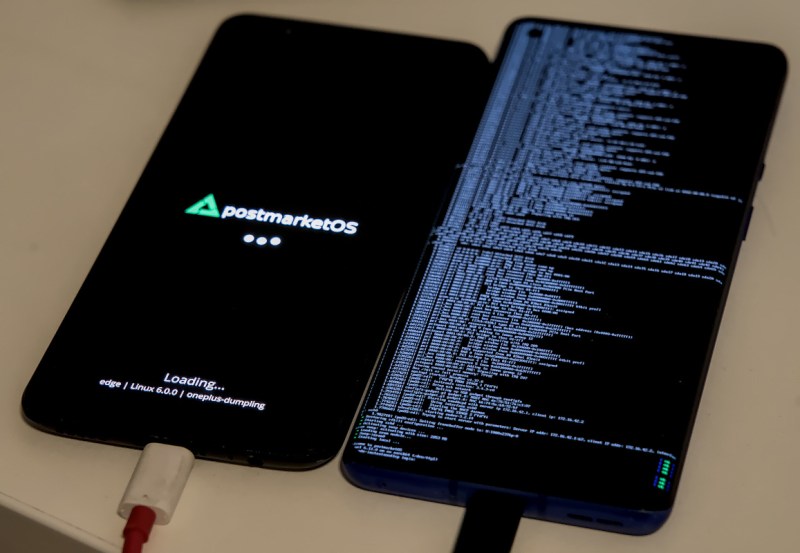
Our smartphones are incredibly powerful computers, offering broadband connectivity virtually anywhere. This power is often taken for granted, leading many of us to discard old phones into drawers, even though their capabilities were once considered cutting-edge. However, these seemingly obsolete devices can be given a new lease on life. This post explores how you can repurpose old smartphones to create a powerful computing cluster.
Turning Old Phones into a Kubernetes Cluster
Denys, a resourceful tech enthusiast, has demonstrated how to transform old smartphones into a functional computing cluster. His project showcases the use of several old phones working together as a unified computing resource. He uses this cluster to run various self-hosted services, proving the potential of this innovative approach.
The biggest hurdle to repurposing smartphones lies in the manufacturer's restrictions. Many phones have locked bootloaders, preventing users from installing alternative operating systems. This project requires a phone with an unlockable bootloader, enabling the installation of postmarketOS, a Linux distribution specifically designed for smartphones. Once postmarketOS is installed, the phone functions like a miniature computer, accessible via SSH and capable of running Kubernetes, the orchestration platform for managing containerized applications in a cluster.
Cost-Effective Computing Power
Denys highlights the cost-effectiveness of using old smartphones compared to purchasing a Raspberry Pi for similar tasks. Often, older phones possess more processing power than a Raspberry Pi, providing a performance advantage at a fraction of the cost. This isn't a new idea, and others have explored similar repurposing projects. His detailed guide provides a comprehensive walkthrough for setting up your own smartphone cluster, making it an excellent resource for anyone looking to give their old devices a new purpose. Even phones with broken screens or other physical damage can be used as long as the core computing components are functional.
Detailed Steps for Setting up Your Cluster
While Denys' guide provides comprehensive details, here's a simplified overview of the process:
- Identify suitable phones: Ensure your old smartphones have unlockable bootloaders and are compatible with postmarketOS. Check the postmarketOS device list for compatibility.
- Unlock the bootloader: This process varies depending on the phone manufacturer and model. Research the specific instructions for your device.
- Install postmarketOS: Follow the postmarketOS installation guide for your specific phone model. This typically involves flashing the operating system image onto the device.
- Enable SSH access: Configure SSH on each phone within postmarketOS, allowing remote access for management and control.
- Install Kubernetes (k3s): Choose a lightweight Kubernetes distribution like k3s, optimized for resource-constrained devices. Install and configure k3s on each phone.
- Configure the cluster: Set up one phone as the master node and the others as worker nodes. Configure networking between the phones to allow them to communicate.
- Deploy your applications: Once your cluster is running, you can deploy containerized applications and services. Manage your applications using standard Kubernetes tools like kubectl.
Benefits of a Smartphone Cluster
Repurposing old smartphones into a Kubernetes cluster offers several benefits:
- Cost-effective: Utilizes existing hardware, avoiding the need to purchase new devices like Raspberry Pis.
- Environmentally friendly: Extends the lifespan of old devices, reducing electronic waste.
- Educational: Provides a hands-on learning experience with Kubernetes and Linux.
- Powerful: Combines the processing power of multiple devices to create a surprisingly capable computing cluster.
- Versatile: Can be used for various tasks, including self-hosting web services, running experiments, and learning about distributed systems.
Conclusion
Transforming old smartphones into a Kubernetes cluster is a rewarding project that combines resourcefulness, technical learning, and environmental consciousness. By following Denys' guide and utilizing the readily available resources online, you can unlock the hidden potential of your old devices and contribute to a more sustainable approach to technology. Thanks to [mastro Gippo] for the tip!
from Hackaday
-via DynaSage

Post a Comment