Report Reveals Internal Chaos Behind Apple's Siri Failure
The Inside Story of Siri's Struggles: A Tale of Internal Chaos at Apple
A recent exposé by The Information sheds light on the internal turmoil surrounding Apple's attempts to revamp Siri, its voice-activated digital assistant. The report paints a picture of indecision, conflicting personalities, and a lack of clear direction, ultimately hindering Siri's progress in the rapidly evolving AI landscape.
A Series of Missteps and Changing Directions
Apple explored various approaches to rebuild the foundation of its AI, known internally as Apple Intelligence. Initially, engineers considered developing two language models: a smaller "Mini Mouse" designed to operate directly on iPhones and a larger "Mighty Mouse" intended for cloud-based processing. However, Siri's leadership subsequently shifted gears, opting for a single, large cloud-based model. This was followed by a series of further technical pivots, creating frustration among engineers and contributing to staff departures.
Internal Conflicts and a Culture of Complacency
Beyond Apple's well-known emphasis on user privacy, internal conflicts played a significant role in Siri's struggles. Interviews with over half a dozen former employees from Apple's AI and machine learning (AI/ML) group point to leadership deficiencies as a primary cause of execution problems. The report describes a relaxed culture lacking ambition and a reluctance to take risks in developing future Siri iterations. Internally, the AI/ML group has been derisively nicknamed "AIMLess," while Siri is referred to as a "hot potato" passed between teams without meaningful improvement. Adding to the internal friction were disagreements about compensation, promotions, and work-life balance within the AI group.
Conflicting Visions and Missed Opportunities
Apple's AI chief, John Giannandrea, reportedly believed he could improve Siri with enhanced training data and better web scraping techniques for general knowledge queries. However, senior leadership seemed unconcerned by the emergence of ChatGPT in 2022. Giannandrea reportedly downplayed the significance of chatbots like ChatGPT, suggesting they offered limited value to users. In 2023, Apple managers prohibited engineers from incorporating models from other companies into final products, restricting their use to benchmarking against Apple's own models, which reportedly underperformed compared to OpenAI's technology.
Meanwhile, Siri leader Robby Walker prioritized incremental improvements, like reducing Siri's response times. One of Walker's key projects, removing the "hey" from the "Hey Siri" activation command, took over two years to complete. He also reportedly rejected a proposal to leverage large language models (LLMs) to enhance Siri's emotional intelligence and enable more empathetic responses to users in distress.
Ambitious Plans for Vision Pro Fall Short
Apple initiated "Project Link" to develop voice commands for controlling apps and tasks on the Vision Pro headset. The initial vision included voice-controlled web browsing, window resizing, and support for multiple users in shared virtual spaces. However, many of these features were abandoned due to the Siri team's inability to deliver on their promises.
A Fictitious Demo and a Departure from Apple's Norms
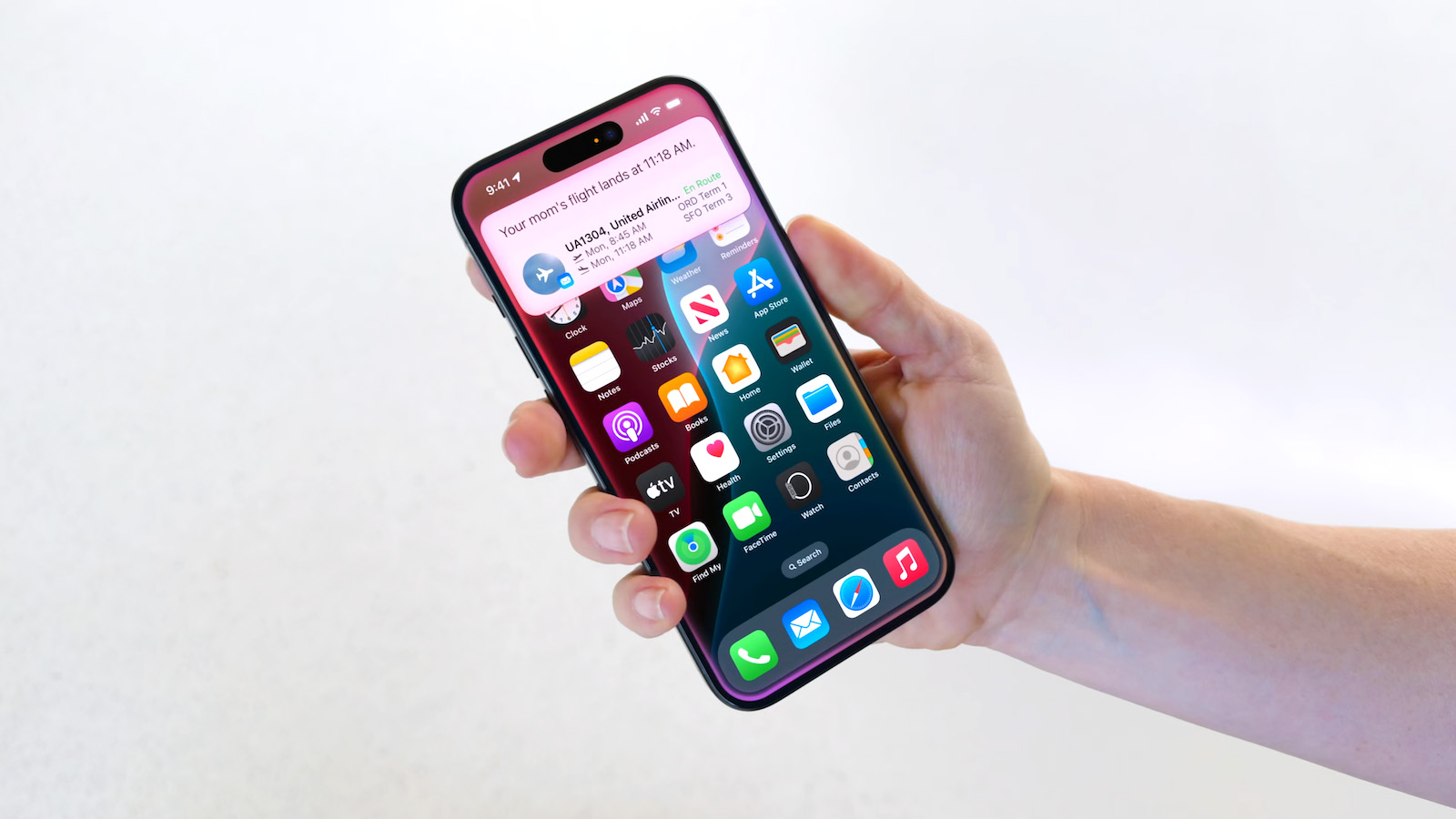
The report alleges that the impressive Siri demo showcased at WWDC 2024 was largely fabricated. Features like accessing emails for real-time flight data, providing lunch reminders based on messages, and plotting routes in Maps were reportedly not functional. The demo surprised members of the Siri team, who had never seen working versions of these capabilities.
The only element from the WWDC demonstration actually implemented on test devices was the pulsating, colorful ribbon around the display edge. This decision to present a staged demo deviated significantly from Apple's typical practice of showcasing only features and products already functioning on test devices and approved by marketing for timely release.
A Glimmer of Hope for Siri's Future?
Despite the challenges, some Apple employees remain optimistic that Craig Federighi and Mike Rockwell can revitalize Siri. Federighi has reportedly instructed Siri engineers to prioritize building the best AI features, even if it means incorporating open-source models from other companies, rather than relying solely on Apple's own models.
Further Reading
For a more in-depth look at the issues surrounding Siri's development, read the full report from The Information.
This article, "Report Reveals Internal Chaos Behind Apple's Siri Failure" first appeared on MacRumors.com
Discuss this article in our forums
from MacRumors
-via DynaSage

Post a Comment