iPhones Could Cost Up to $2,300 in the U.S. Due to Tariffs, Analyst Says
Could iPhones Cost $2,300? The Potential Impact of Tariffs
The cost of your next iPhone could be significantly higher than expected. Former U.S. President Donald Trump's announcement of steep tariffs on imported goods from certain countries, including China, has sent ripples of concern through the tech world, particularly for Apple. As the majority of iPhones are assembled in China, these tariffs could have a dramatic impact on the price consumers pay in the United States.
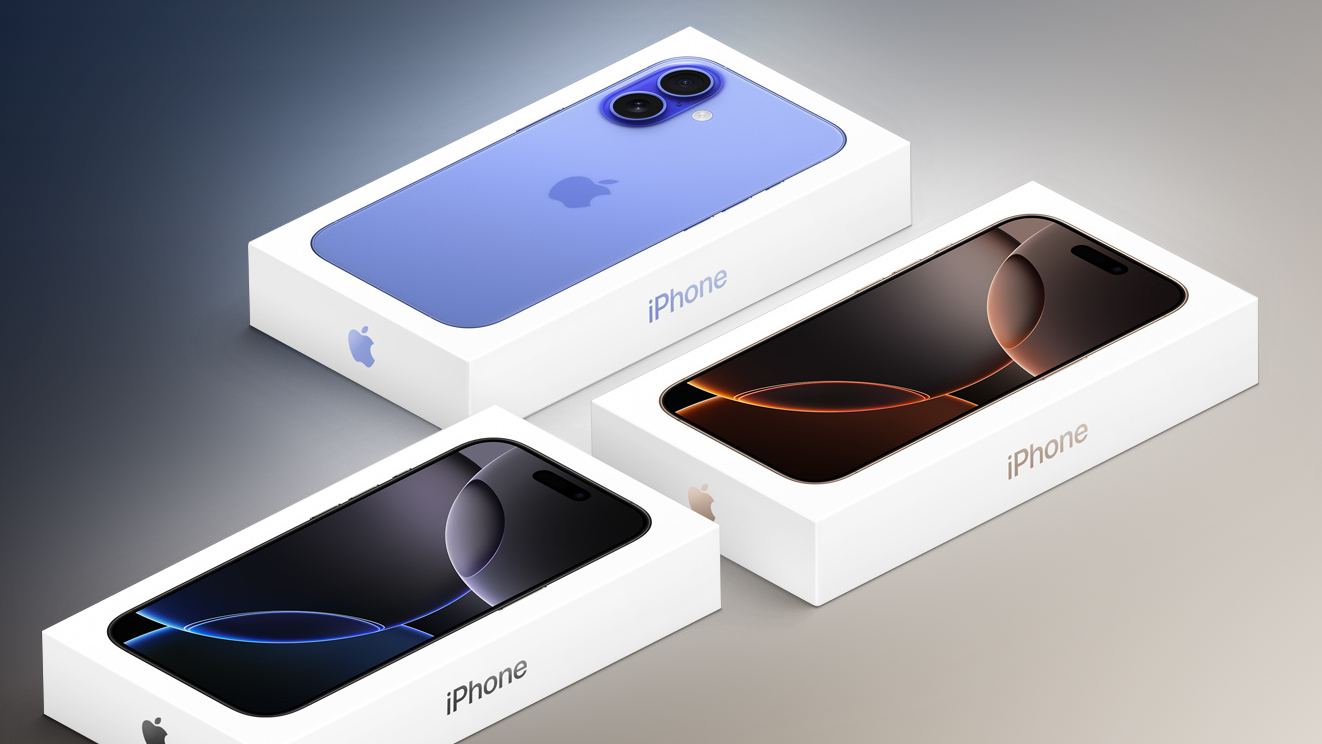
A Potential 43% Price Hike
Analysts at Rosenblatt Securities, an equity research firm, predict that iPhone prices in the U.S. could jump by as much as 43% due to these tariffs (via Reuters). This projection paints a stark picture of potential price increases across the entire iPhone lineup.
Imagine paying nearly $2,300 for a top-of-the-line iPhone 16 Pro Max with 1TB of storage. That's a significant leap from the current price of $1,599. Even the most budget-friendly iPhone 16e, currently priced at $599, could see its price tag swell to over $850. A popular mid-range option like the iPhone 16 Pro with 256GB of storage, currently selling for $999, could cost more than $1,400.
Offsetting the Tariff Burden
According to Neil Shah of Counterpoint Research, Apple would need to increase its prices by an average of at least 30% to fully offset the cost of these tariffs. This poses a significant challenge for the company, as such a substantial price increase could deter potential buyers and impact sales.
Apple's Response and Potential Strategies
So far, Apple has remained silent on the issue, leaving consumers and industry watchers to speculate on the company's next move. Will Apple absorb the increased costs, impacting its profit margins? Will it pass the cost on to consumers through higher prices? Or will it explore alternative strategies to mitigate the impact of these tariffs?
One possibility is that Apple could seek to diversify its manufacturing locations, reducing its reliance on China for iPhone assembly. This, however, is a complex and long-term undertaking (find alternative ways). Another option could be to negotiate with suppliers to absorb some of the increased costs.
It's also unclear whether potential price increases would affect the upcoming iPhone 16 models or if Apple would wait to implement them with the launch of the iPhone 17 later this year. This uncertainty adds another layer of complexity to the situation.
Investor Concerns
The market has already reacted to the news of the tariffs, with Apple's stock price experiencing a significant drop. Since Trump's announcement, shares have fallen by nearly 15% (Apple shares plunge), reflecting investor concern about the potential impact on the company's bottom line.
The Future of iPhone Pricing
The situation remains fluid, and the ultimate impact of the tariffs on iPhone prices remains to be seen. Apple's response will be crucial in determining the future affordability of its iconic smartphone. As the company navigates this complex landscape, consumers will be watching closely to see how their wallets might be affected.
This article, "iPhones Could Cost Up to $2,300 in the U.S. Due to Tariffs, Analyst Says" first appeared on MacRumors.com
Discuss this article in our forums
from MacRumors
-via DynaSage

Post a Comment