How Apple CEO Tim Cook Convinced Trump to Exempt Apple From Tariffs
How Tim Cook Navigated Trump's Tariffs to Protect Apple
When former U.S. President Donald Trump imposed hefty 145% tariffs on goods imported from China, Apple CEO Tim Cook knew he had to act fast to shield Apple from a potential price hike on the iPhone.
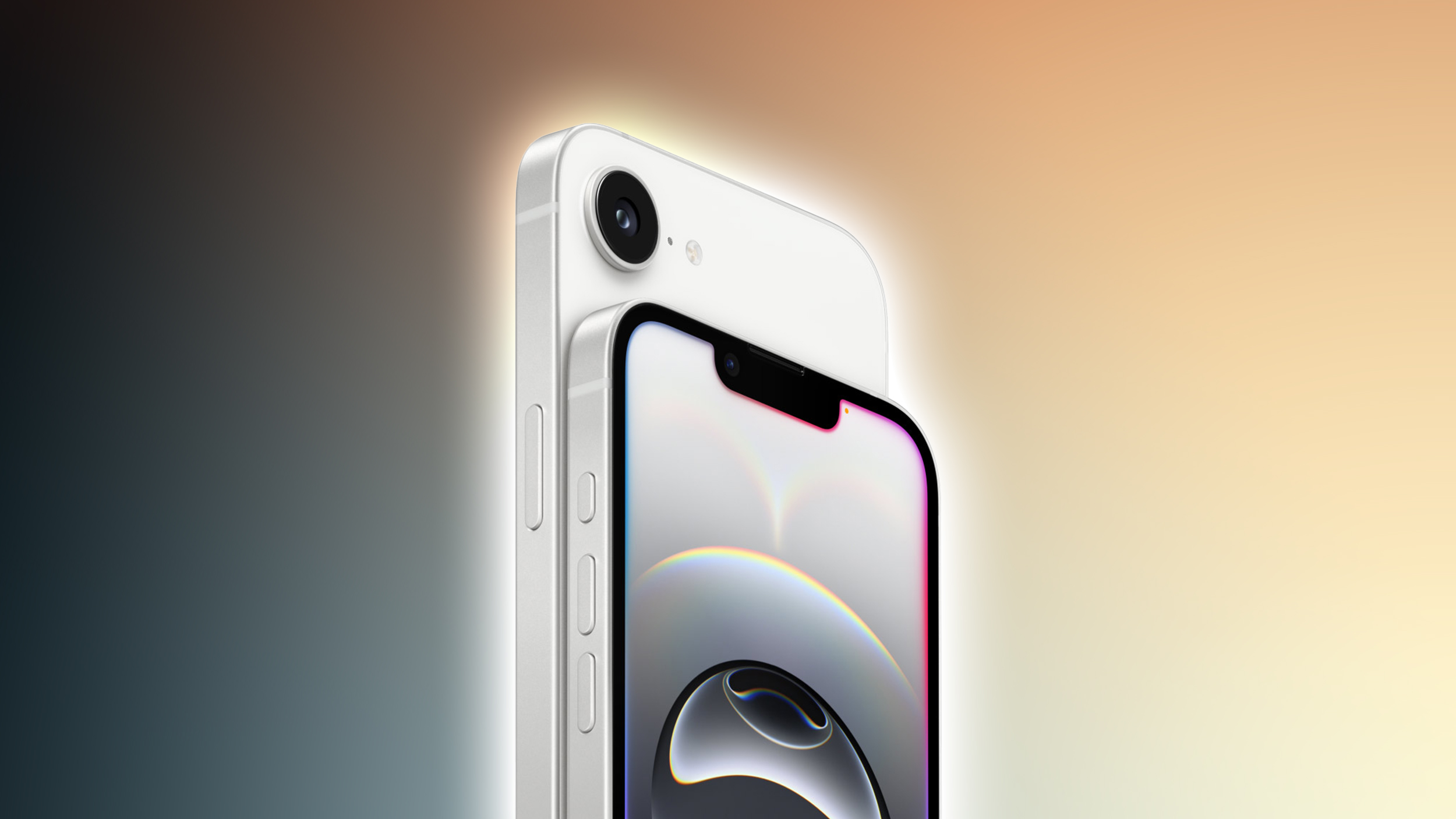
According to The Washington Post, Cook engaged in direct dialogue with Commerce Secretary Howard Lutnick, emphasizing the negative impact of the tariffs on iPhone prices. He also communicated with senior White House officials, carefully avoiding any public criticism of Trump's policies that might provoke the then-president. Cook's strategic approach extended to a personal $1 million donation to Trump's inauguration.
A Temporary Reprieve?
Cook's efforts seemed to pay off. The Trump administration granted Apple an exemption from the tariffs, covering the iPhone, Mac, Apple Watch, iPad, and other electronics. This provided a welcome respite from the sweeping tariffs imposed on Chinese goods.
However, the relief was short-lived. Just a day after the announcement, Trump declared there were "no tariff exceptions" and that no company would be "getting off the hook." He indicated that Apple and other tech companies would be placed in a "different tariff bucket" as his administration investigated semiconductors and the electronics supply chain under planned National Security Tariff Investigations. This on-again, off-again nature of the tariffs caused significant fluctuations in Apple's stock price, with shares dropping as much as 20% before partially recovering after the initial exemption.
Cook's History of Navigating Trump's Trade Policies
This wasn't Cook's first encounter with Trump's trade policies. During Trump's first term, he successfully prevented tariffs from affecting Apple products by arguing that such fees would give South Korean competitor Samsung a significant advantage.
Despite Trump's claims of not being swayed by corporate pressure, he admitted to "helping Tim Cook recently," suggesting that Cook maintained a unique relationship with Trump that could potentially shield Apple from future tariff burdens.
The Challenges of US Manufacturing
Trump repeatedly insisted that Apple should manufacture the iPhone and other products in the United States. However, significant obstacles prevent this from being a feasible option for Apple. These include the substantial cost of building new factories in the US, the lack of a readily available skilled labor force specializing in electronics manufacturing, and the higher wages of American workers compared to their overseas counterparts.
Apple's Commitment to US Investment
Despite the challenges of US manufacturing, Apple has pledged a significant $500 billion investment in the United States. As part of this commitment, Apple is partnering with Foxconn to manufacture Private Cloud Compute servers at a facility in Houston. Servers, being a lower-volume product and not directly consumer-facing, are more practical to assemble in the U.S. than high-volume consumer electronics like the iPhone.
This article, "How Apple CEO Tim Cook Convinced Trump to Exempt Apple From Tariffs" first appeared on MacRumors.com
Discuss this article in our forums
from MacRumors
-via DynaSage

Post a Comment