FreeDOS 1.4 Released
FreeDOS 1.4: A Modern Take on a Classic Operating System
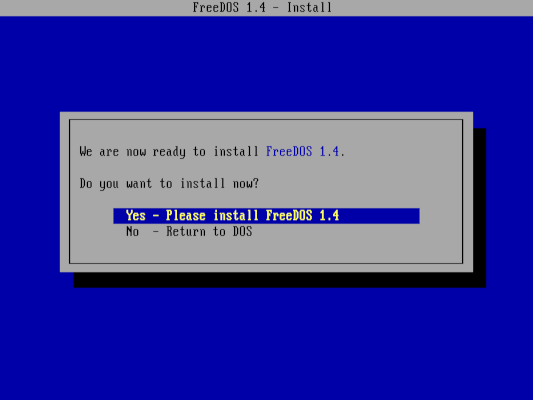
Even in 2025, the simple Disk Operating System (DOS) still has its place. Whether it's for running older software like classic MS-DOS games and Windows 3.x, or for powering embedded systems where a full-blown operating system like Linux or BSD would be overkill, DOS remains relevant.
That's where FreeDOS comes in. FreeDOS is a modern, actively maintained version of DOS. Its latest release, FreeDOS 1.4, brings a host of new features and updates to existing components, including the FreeCOM command shell. This marks the first stable release since version 1.3 in 2022.
A Brief History and Key Improvements
FreeDOS first appeared in 1994 and has since become the go-to replacement for MS-DOS. It boasts numerous improvements that allow it to run smoothly on modern hardware. It even includes a package manager, similar to those found in Linux and BSD, for easy software installation and management. While a brand new kernel wasn't quite ready for this release, it's in development and will be available in upcoming monthly test builds, along with other exciting additions.
FreeDOS has evolved significantly since its initial release. One of its key strengths lies in its compatibility with modern hardware. Unlike MS-DOS, which can struggle with newer systems, FreeDOS is designed to run smoothly on contemporary computers. This makes it an ideal choice for running legacy applications on modern hardware without resorting to complex emulation or virtualization.
The inclusion of a package manager is another significant advantage. Similar to package managers in Linux distributions like apt or yum, FreeDOS's package manager simplifies the process of installing and managing software. Users can easily search for, install, and update software packages without having to manually download and configure files.
What's New in FreeDOS 1.4?
The 1.4 release brings a wave of updates and improvements. While the specifics of all changes might be detailed elsewhere, the focus on updating the FreeCOM command shell highlights the project's commitment to enhancing usability and functionality. This makes working with FreeDOS more efficient and intuitive.
Downloading and Installing FreeDOS 1.4
Ready to give FreeDOS 1.4 a try? You can download the new 1.4 release here. The project offers several download options to suit different needs, including:
- Live CD Image: Boot directly from the CD to experience FreeDOS without installation.
- Installer CD Image: Install FreeDOS onto your hard drive for permanent access.
- USB Installer: Install FreeDOS from a USB drive, a convenient option for systems without CD drives.
- Floppy Edition: For those with a nostalgic bent, FreeDOS is even available on floppy disks!
The system requirements are minimal, making FreeDOS accessible to a wide range of hardware:
- An (Intel) x86 CPU
- A BIOS (or legacy UEFI mode)
- 640 kB of RAM
- 20 MB of storage
With such low system requirements, FreeDOS can run on even very old or resource-constrained machines.
The Future of FreeDOS
Although rooted in the past, FreeDOS continues to evolve. The development of a new kernel, slated for a future release, demonstrates the project's ongoing commitment to improvement. FreeDOS provides a bridge between legacy systems and modern technology. You can read more about the project and its future in this Hackaday article.
The release announcement with further details can be found here.
from Hackaday
-via DynaSage

Post a Comment