Emulating iPhone on QEMU
Emulating an iPhone on QEMU: A Deep Dive
Running iPhone apps on your computer sounds like science fiction, right? Well, developer Georges Gagnerot is working to make that a reality. He's been tackling the complex challenge of emulating iOS and running iPhone software within a virtual environment. Among the available emulation options, he chose qemu-t8030 for its compelling features, which are detailed in his blog post.
The Challenges of iOS Emulation
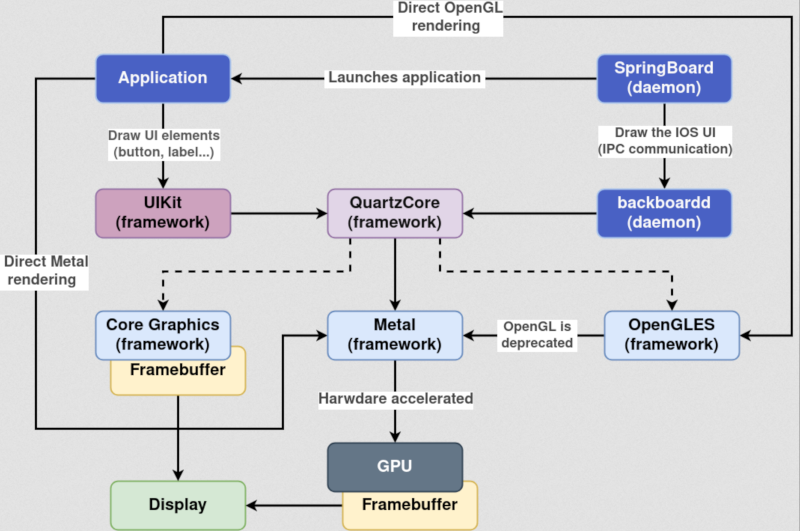
This project is no walk in the park. It requires a modified version of QEMU, the open-source emulator, and involves some common jailbreaking techniques. One of the biggest hurdles is the lack of emulation for the Apple Silicon GPU, the graphics processor that powers iPhones. Older iOS versions allowed users to opt for software-based rendering, bypassing the need for a physical GPU. However, newer versions have removed this option, making emulation trickier.
Georges found a workaround by patching the iPhone software to force it to use software rendering. This allowed him to overcome the GPU hurdle, enabling him to run some apps within the emulated environment. However, applications that rely directly on Metal or OpenGL, Apple's graphics APIs, still won't run. This remains a significant challenge.
Future Directions and Current Progress
Looking ahead, there's a plan to explore forwarding GPU calls from the emulated environment to a real physical device. This would theoretically allow even graphics-intensive apps to run. However, this is a complex undertaking and will require significant effort, so it's on the back burner for now.
Of course, the GPU challenge isn't the only obstacle. Emulating a complex system like iOS presents numerous hurdles. However, Georges' blog post offers a fascinating glimpse into the detective work involved in this project. It highlights the challenges encountered and the ingenious solutions employed. While the project is still a work in progress, significant strides have been made.
Exploring the Project and Related iPhone Hacks
The qemu-t8030 code, the heart of this emulation project, is available on GitHub for those interested in exploring the technical details. While this project focuses on software emulation, much of the iPhone hacking we see typically involves hardware modifications. These range from enabling dual-SIM capabilities through flexible printed circuit (FPC) patches to more radical modifications like cutting the screen to create a foldable iPhone.
Conclusion
Emulating iOS on QEMU is a complex undertaking fraught with challenges. However, the progress made so far demonstrates the potential for running iPhone software in a virtualized environment. While hurdles remain, particularly with GPU emulation, the ingenuity and dedication of developers like Georges Gagnerot pave the way for exciting possibilities in the future of iOS emulation.
from Hackaday
-via DynaSage

Post a Comment