Apple to Lessen Tariff Impact by Shipping More iPhones From India
Apple Shifts iPhone Production to India to Counter Trump's Tariffs
Facing a potential financial hit from escalating tariffs imposed by the Trump administration, Apple is strategically increasing its import of iPhones from India to the United States. According to The Wall Street Journal, this move aims to soften the blow of the newly implemented tariffs on goods imported from China.
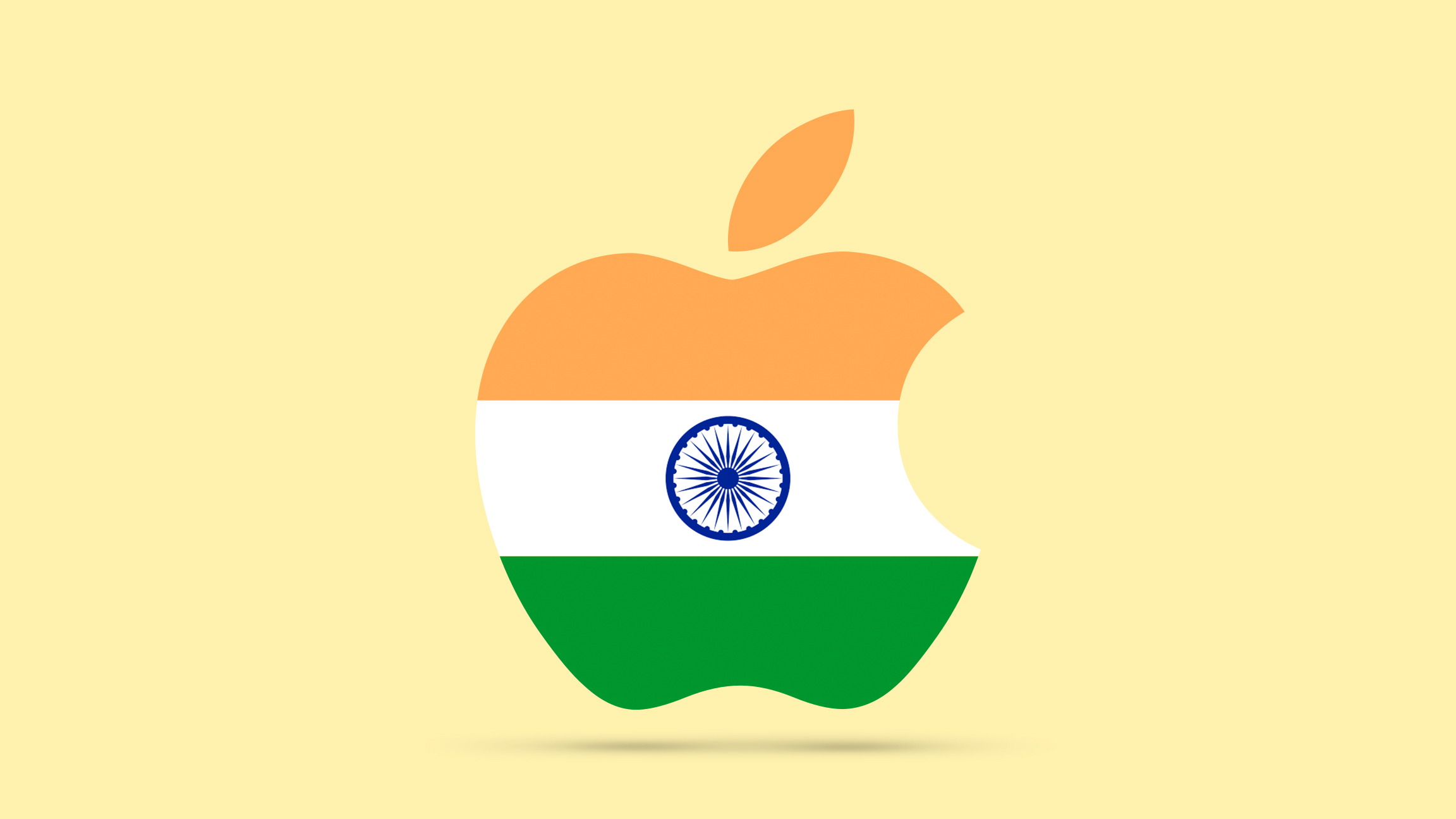
The current tariff rate on goods imported from India stands at 26 percent, considerably less than the 54 percent levied on goods from China. This also compares favorably to the 46 percent tariff on goods from Vietnam and the 36 percent tariff on goods from Thailand. By shifting a portion of its iPhone production to India, Apple aims to minimize the impact on its profits.
A Short-Term Solution Amidst Uncertainty
Apple acknowledges the fluctuating nature of the tariff situation and is, therefore, hesitant to drastically overhaul its established supply chain. The company views the increased reliance on India for U.S. iPhone supply as a temporary strategy. In parallel, Apple CEO Tim Cook is actively working to persuade President Trump to grant Apple products an exemption from these tariffs. Cook successfully secured such an exemption during Trump's first term in office, but has faced greater challenges this time around.
Apple has been steadily expanding its manufacturing operations in India over the past several years. The company expects to produce 25 million iPhones in India this year. By redirecting these India-made iPhones to the U.S. market, Apple projects it can satisfy approximately 50 percent of U.S. iPhone demand in 2025.
Escalating Trade Tensions and Rising Costs
The trade dispute between the U.S. and China continues to escalate. While the current tariff on Chinese goods is set at 54 percent, President Trump has indicated his willingness to increase this figure if China doesn't rescind its recently announced 34 percent retaliatory tariff.
The Wall Street Journal has reported that the existing tariffs on Chinese goods could substantially increase Apple's component costs for the iPhone. As an example, the report suggests that the cost of an iPhone 16 Pro, currently estimated at $580 for Apple, could rise to $850 after tariffs.
The Challenges of U.S. Manufacturing
President Trump has been advocating for companies like Apple to manufacture their products within the United States. However, this poses significant challenges for Apple. The cost of shifting manufacturing to the U.S. outweighs the financial burden of the tariffs. This is primarily due to the availability and cost of skilled labor. Countries like China offer a large pool of skilled workers adept at the advanced manufacturing processes required for Apple's products, making them a more cost-effective option.
Apple's Investment in U.S. Manufacturing and Alternative Strategies
Despite the challenges, Apple has committed to investing $500 billion in U.S. manufacturing. This investment will primarily focus on producing products like Apple Intelligence servers and other items with lower demand, which are less reliant on extensive, specialized labor forces.
Apple is also exploring other strategies to navigate the tariff landscape, including negotiating lower prices with suppliers and potentially absorbing some of the increased costs. However, the possibility remains that Apple may need to raise its product prices in the near future.
Market Impact and Stock Fluctuations
The uncertainty surrounding the tariff situation has negatively impacted the stock market. Apple's stock, in particular, has experienced significant volatility, declining nearly 20 percent since last Wednesday according to MacRumors.
This article, "Apple to Lessen Tariff Impact by Shipping More iPhones From India" first appeared on MacRumors.com
Discuss this article in our forums
from MacRumors
-via DynaSage

Post a Comment