An Amstrad PCW Receives A Bit Of Love
Restoring an Amstrad PCW: A Retro Computing Journey
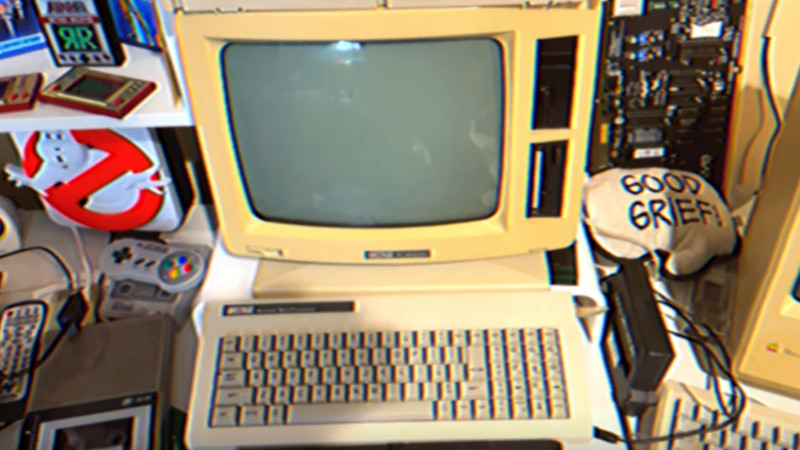
While Clive Sinclair was known for cleverly using cheaper components to achieve impressive results in consumer electronics, his rival, Alan Sugar of Amstrad, had a different approach. Sugar's strategy involved repackaging older technology and marketing it as something new and exciting. The Amstrad PCW series is a prime example. These computers, based on the 1970s CP/M operating system, were skillfully marketed to home office users in the late 1980s. They proved quite popular back then, and Retro Recipes has one such machine. In a video with that classic standard definition look, he guides us through repairing its Gotek drive and upgrading the RAM.
Repairing and Upgrading the Amstrad PCW
The repair and upgrade processes are relatively straightforward. The repair involves replacing a faulty OLED screen on the Gotek drive, a modern device used to replace the original floppy disk drive. The upgrade focuses on installing additional DIP memory chips to boost the PCW's RAM capacity. What makes this project particularly interesting is how Amstrad managed to minimize the cost of a CP/M machine for the consumer market.
The PCW's motherboard relies heavily on custom-designed chips, which is typical for systems of that era. The video offers a quick glimpse of one of those unique 3-inch floppy drives. Like many other Amstrad machines, the power supply is integrated into the monitor's circuit board, contributing to the overall simplicity of the system. The design philosophy clearly prioritized cost-effectiveness.
A Glimpse into Amstrad's Cost-Effective Design
The Amstrad PCW stands as a testament to efficient engineering. By leveraging older but reliable technology, and by streamlining the design, Amstrad created a computer that was accessible to a wider audience. The use of custom chips and the integration of the power supply within the monitor exemplify this cost-conscious approach. This clever combination of design choices allowed Amstrad to offer a complete computer system at a competitive price.
The Legacy of the Amstrad PCW
Many PCWs are likely still tucked away in dusty attics, especially in the UK where they were particularly popular. Surprisingly, given their widespread use at the time, we don't see them mentioned or featured as often as one might expect. However, there have been instances of significantly upgraded PCWs appearing online, showcasing the enduring interest in this vintage machine. One such example can be found on Hackaday, demonstrating the potential for modernization and continued use of these classic computers.
This restoration project not only revives a piece of computing history but also provides valuable insight into the design and engineering of the Amstrad PCW. The video documentation allows us to appreciate the simplicity and ingenuity of this once-popular home computer.
Watch the Full Restoration Video
You can watch the complete restoration process in the video below:
Learn more about a significantly upgraded Amstrad PCW here: An Amstrad PCW for the 21st Century.
Watch the original video on YouTube: Turning My Amstrad PCW 8256 into an 8512 with a Gotek Fix!
from Hackaday
-via DynaSage

Post a Comment