A Toothbrush Hacked, in Three Parts
Hacking an Electric Toothbrush: A Fun Introduction to Hardware Hacking
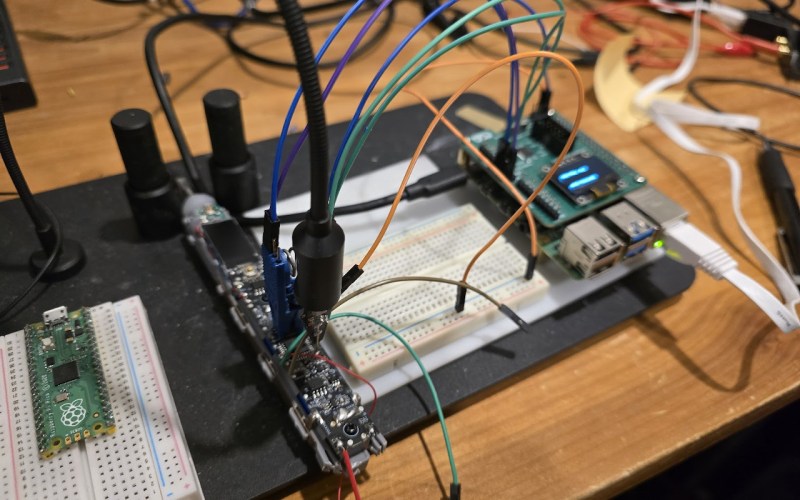
The future is here! How else can you explain someone hacking a cheap electric toothbrush? That's exactly what [wrongbaud] has done, documenting the process in a fascinating three-part series.
This isn't about creating a desperately needed toothbrush upgrade. Instead, [wrongbaud] uses the project as a fun and practical way to teach hardware hacking concepts. Using a Raspberry Pi as their primary tool, they demonstrate the steps involved in reverse engineering a simple electronic device, making it easier for others to follow along and learn.
Part 1: Setting Up and Exploring the Hardware
The first installment covers setting up the Raspberry Pi and the OpenOCD software, which is used for debugging embedded systems. After cracking open the toothbrush, [wrongbaud] identifies key components on the circuit board, quickly locating a debug serial port – a crucial discovery for later stages of the hack.
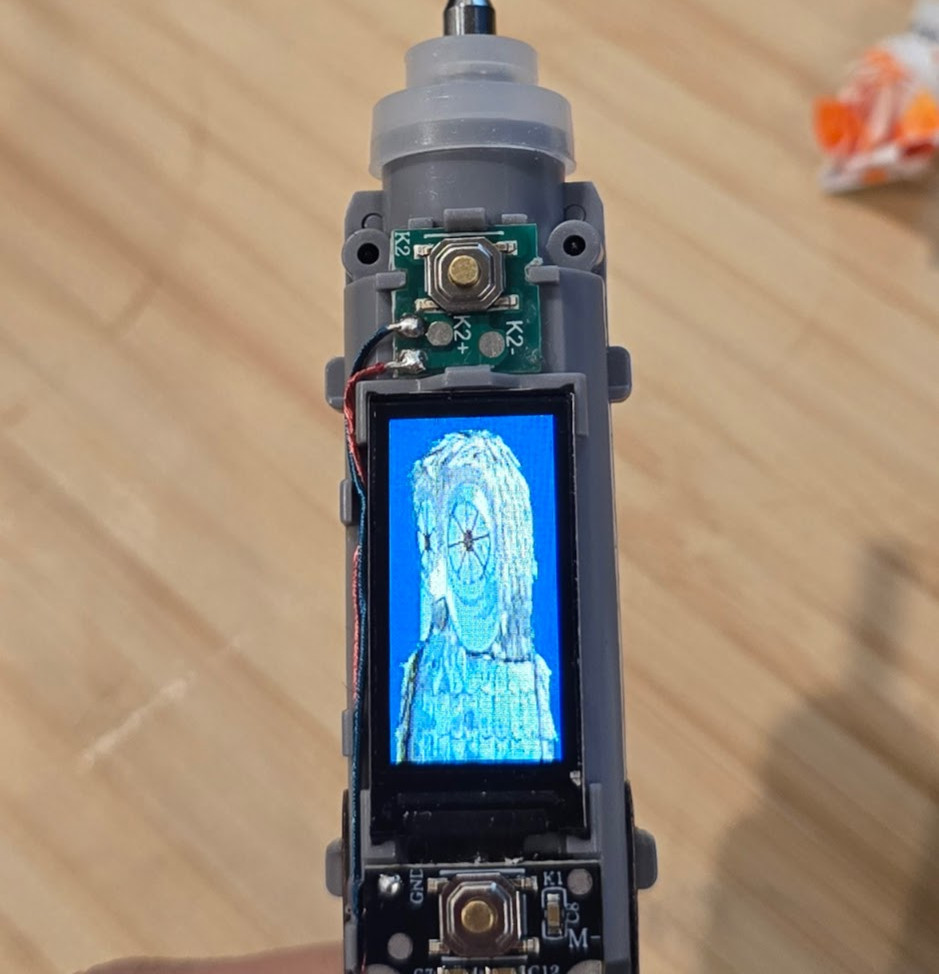
The next target is the SPI flash memory chip. This chip stores the images displayed on the toothbrush's fancy high-resolution color screen. By carefully analyzing the chip's data, [wrongbaud] figures out how the images are stored. This allows them to create new graphics and upload them to the toothbrush, effectively changing the images displayed on the screen.
Part 2: Modifying the Toothbrush's Display
Displaying a custom logo on the toothbrush is already a significant achievement. However, [wrongbaud] takes it further in the next part of the series. They delve into extracting the toothbrush's firmware – the software that controls its behavior – from the microcontroller.
Part 3: Extracting and Modifying the Firmware
This stage involves using OpenOCD to carefully extract the firmware. [wrongbaud] explains how to analyze the extracted code, modify it, and then upload the altered firmware back onto the toothbrush. Using the debug serial port discovered earlier, they confirm the modified code is working as intended. This demonstrates a deeper level of hardware hacking, going beyond simply changing display images to altering the device's core functionality.
Further Hardware Hacking Adventures
If you enjoyed this toothbrush hacking adventure, you'll definitely want to check out [wrongbaud]'s other projects. See what they've accomplished with hacking an SSD and even an Xbox controller. These projects provide even more examples of using a Raspberry Pi and similar tools to explore and modify hardware.
from Hackaday
-via DynaSage

Post a Comment