A SNES CPU Replacement Via FPGA
Resurrecting a SNES with an FPGA CPU Replacement
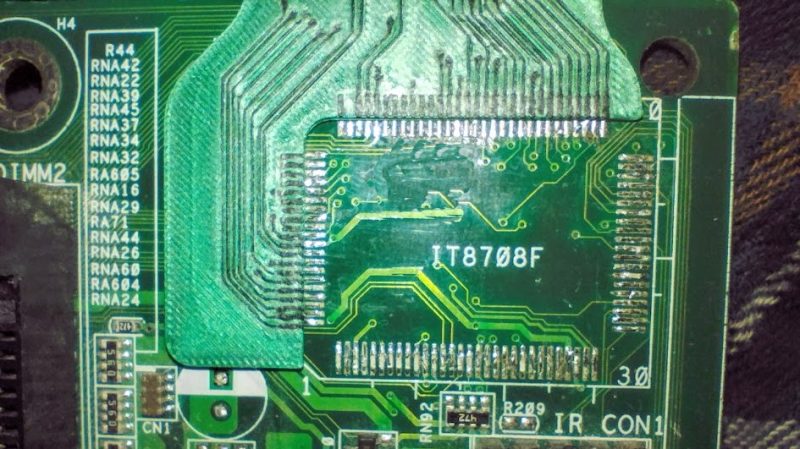
Imagine your beloved Super Nintendo Entertainment System (SNES) suddenly stops working. The culprit? A broken CPU. Most people would consider their console a lost cause. However, thanks to the ingenuity of a dedicated hardware hacker, there's a new hope for reviving these classic gaming machines: a replacement CPU built using an FPGA.
The Genesis of the Project
This innovative project was born out of necessity. The developer, known as [leonllr], encountered this exact scenario: a purchased SNES rendered useless by a faulty S-CPU revision A. The search for a replacement proved frustrating. Existing options were not only expensive but also likely salvaged from other working consoles, contributing to the scarcity of these vital components. A more sustainable and affordable solution was needed.
The FPGA Solution
Enter the ICE40HX8K FPGA. This programmable chip, costing less than $20 USD, offered an attractive alternative. It's readily available and boasts enough logic cells to emulate the functionality of the original SNES CPU. But [leonllr] didn't stop at theoretical design. The project involved a practical implementation, devising a way to connect the ICE40HX8K to the actual SNES hardware. This involved designing two flexible printed circuit boards (flex PCBs) to bridge the connection between the FPGA mainboard and the SNES motherboard. The core CPU functionality within the FPGA is based on the SNESTANG project, which had previously successfully emulated the Super Nintendo on Sipeed Tang FPGA boards. With the board designs finalized, the project is moving into the production phase.
Breathing New Life into Classic Hardware
This project exemplifies the power of community and ingenuity in preserving classic gaming hardware. It offers a way to resurrect SNES consoles that would otherwise be destined for the scrap heap. Even if you can't find a complete, working SNES, you might be able to salvage a partially functional one with the help of this FPGA-based solution. This isn’t an isolated incident either; similar projects have demonstrated the potential of FPGAs to revive other retro platforms, such as the Commodore PET (see here). This trend showcases the dedication of enthusiasts who are passionate about preserving and extending the life of these beloved systems.
A Call to Action
This FPGA-powered SNES CPU replacement opens doors for exciting possibilities in the retro gaming community. It's a testament to the power of readily available technology to breathe new life into aging hardware. Are you working on similar projects, perhaps recreating Nintendo 64 graphics chips or other equally ambitious endeavors? We encourage you to share your work and inspire others. Let us know what you're creating!
The Future of Retro Gaming Preservation
Projects like this FPGA CPU replacement are not just about fixing broken consoles; they contribute to the broader movement of preserving video game history. As original hardware becomes increasingly scarce and expensive, FPGA-based solutions offer a viable path forward, ensuring that future generations can experience the joy of classic gaming. This approach allows for the preservation of not only the games themselves but also the authentic hardware experience, albeit with a modern twist. Furthermore, it provides a valuable platform for learning and experimentation, allowing enthusiasts to delve into the inner workings of these vintage systems and develop new and innovative ways to interact with them.
The Impact of Open Source Collaboration
The success of this project highlights the importance of open-source collaboration in the hardware hacking community. By leveraging the existing work of the SNESTANG project, [leonllr] was able to accelerate development and bring a practical solution to the community. This collaborative spirit fosters innovation and allows for the sharing of knowledge and resources, ultimately benefiting everyone involved. The open-source nature of the project also ensures that others can build upon this work, potentially leading to further improvements and adaptations for different hardware platforms.
Beyond Repair: Enhancing Classic Consoles
While the initial motivation for this project was to repair broken hardware, the potential of FPGA-based solutions extends beyond simple repairs. As these projects mature, we can anticipate seeing enhancements and modifications that push the boundaries of what's possible with classic consoles. Imagine upgraded graphics, expanded memory, and even the ability to run homebrew software designed specifically for these enhanced platforms. This opens a new chapter in the retro gaming experience, blending the nostalgia of classic games with the power and flexibility of modern technology.
from Hackaday
-via DynaSage

Post a Comment