Can Hackers Bring Jooki Back to Life?
Resurrecting the Jooki: A Hacker's Journey to Revive a Beloved Kids' Audio Player
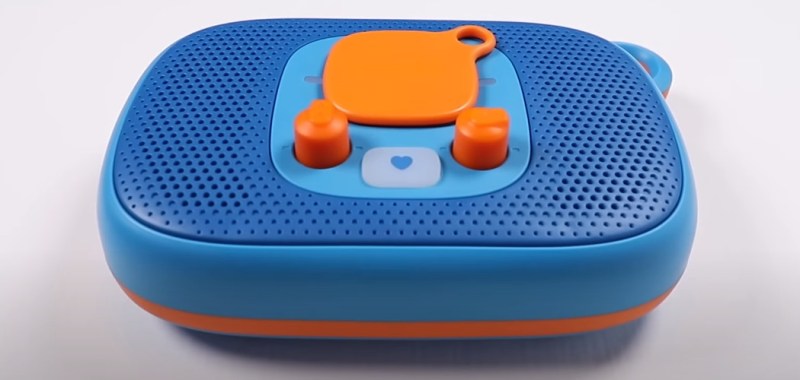
Another internet-connected device bites the dust. This time, it's the Jooki, a screen-free audio player designed for children. Its unique feature was the use of physical tokens. Kids would place these tokens on the Jooki to play pre-programmed music or stories. Parents could easily manage the content associated with each token through a smartphone app, allowing even very young children to choose their own audio entertainment independently.
Unfortunately, the company behind the Jooki went bankrupt and shut down its servers, effectively bricking the devices. However, a security researcher, [nuit], has shared their impressive progress in uncovering vulnerabilities within the Jooki's firmware. While full functionality hasn't been restored yet, their work provides several promising avenues for the community to explore and potentially resurrect these beloved audio players.
Exploring the Jooki's Inner Workings
Unsurprisingly, the Jooki runs on a streamlined version of Linux. [nuit]'s initial investigation focused on analyzing the device's partitions and filesystem. Their research also delves into the over-the-air (OTA) update process, which could prove crucial for installing community-developed firmware in the future.
A Treasure Trove of Vulnerabilities
The real excitement begins when the Jooki boots up and exposes its HTTP API on the local network. This API includes some intriguing endpoints, like /flags, which allows control over various device functions. However, the most significant discovery is the /ll endpoint – a built-in backdoor that executes any command with root privileges! This glaring security flaw is so unexpected in a commercial product that it leads one to believe it might have been intended to be named /lol. Regardless, it's a goldmine for anyone trying to delve into the Jooki's system.
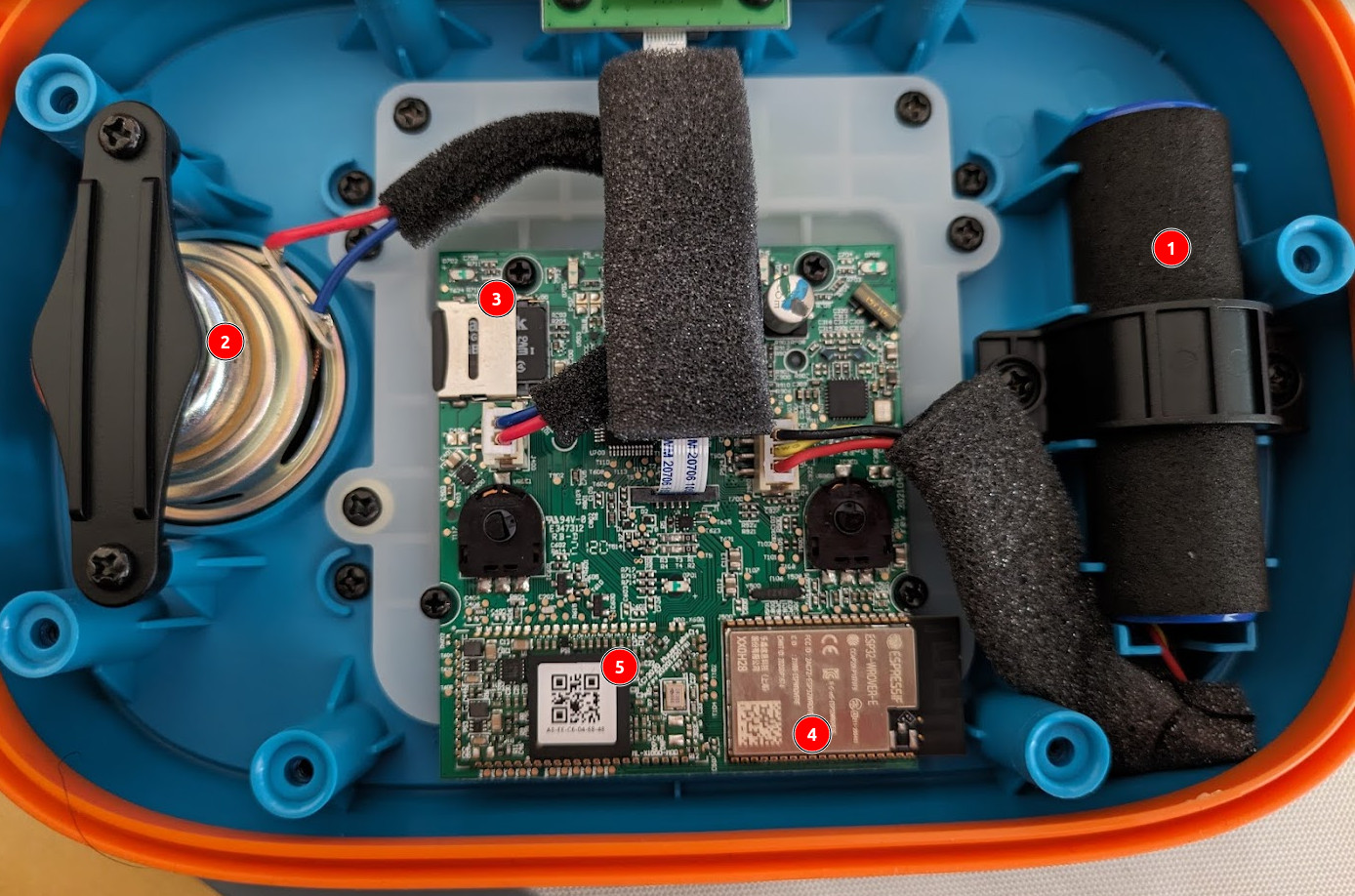
But the vulnerabilities don't stop there. The Jooki also runs a "heartbeat" script, regularly attempting to connect with the now-defunct server. Normally, the server would respond with a standard HTTP 200 OK status. However, in what seems like a makeshift secondary OTA update mechanism, any commands sent back instead of the 200 OK are executed as root. This presents another significant security risk.
Root Access and Potential Implications
For those familiar with Linux, gaining root access is like holding the master key. With root privileges, setting up an SSH server and obtaining an interactive login is relatively simple. Both the /ll endpoint and the heartbeat script's vulnerability offer pathways to achieve this. [nuit] highlights a concerning implication: anyone who acquires the Jooki domain name could potentially gain remote root access to every Jooki speaker still in use.
The Path to Resurrection
Gaining root access to the Jooki is surprisingly easy. The current challenge lies in leveraging this access to restore the devices to their intended functionality. Recent community projects have demonstrated the possibility of creating new firmware and self-hosted backends for abandoned smart devices, such as the Tidbyt mentioned here. Hopefully, a similar community effort will soon emerge for the Jooki, allowing these charming children's audio players to sing and tell stories once more.
from Hackaday
-via DynaSage

Post a Comment