Apple and SpaceX Reportedly 'Clashing' Over Satellite Texting Features
Apple and SpaceX: A Satellite Showdown for Texting Supremacy
Apple and SpaceX's Starlink are vying for dominance in the world of satellite-based texting, a technology that allows smartphone users to send messages even when they're beyond the reach of cellular and Wi-Fi networks. This competition has led to a complex relationship between the two companies, marked by both collaboration and conflict, as detailed in a recent Wall Street Journal report (source).
SpaceX Attempts to Delay Apple's Satellite Expansion
Apple has invested heavily in its satellite partnership with Globalstar, committing $1.5 billion (source) to expand the infrastructure supporting the iPhone's built-in satellite features. However, SpaceX has challenged this expansion by urging the Federal Communications Commission (FCC) to reject Globalstar's application (source). SpaceX argues that Globalstar's plans to use the 1.6GHz and 2.4GHz bands exclusively are premature, as the FCC hasn't yet finalized rules for shared access. SpaceX prefers shared access, while Globalstar fears interference could degrade the iPhone's satellite functionality.
Adding another layer of complexity to this conflict, Globalstar is relying on SpaceX to launch its new satellites (source). This creates a situation where the two companies are simultaneously partners and rivals.
Negotiating Integration: A Tense Partnership
The relationship between Apple and SpaceX has also been strained by negotiations over integrating Starlink's satellite texting directly into newer iPhone models. Although initially tense, the discussions ultimately resulted in an agreement (source) that allows iPhones to connect to Starlink via T-Mobile. When using a carrier-provided satellite service like Starlink, iPhones display "SAT" in the status bar (source).
Currently, Starlink via T-Mobile is available as a free beta (source) but is expected to become a paid service in July for both iPhone and Android users.
Exploring Alternatives: Apple's Search for the Best Satellite Partner
The Wall Street Journal report also revealed that Apple has explored partnerships with other satellite companies, including Boeing and EchoStar, and even held discussions with SpaceX itself. Despite these explorations, Apple's built-in satellite features currently remain exclusively powered by Globalstar.
Apple's Stance and Life-Saving Impact
Apple has stated that its satellite features are designed to complement existing carrier services, offering users more ways to stay connected. Importantly, Apple emphasized the life-saving potential of this technology, noting that it has "already helped save lives."
Expanding Functionality Beyond Emergency SOS
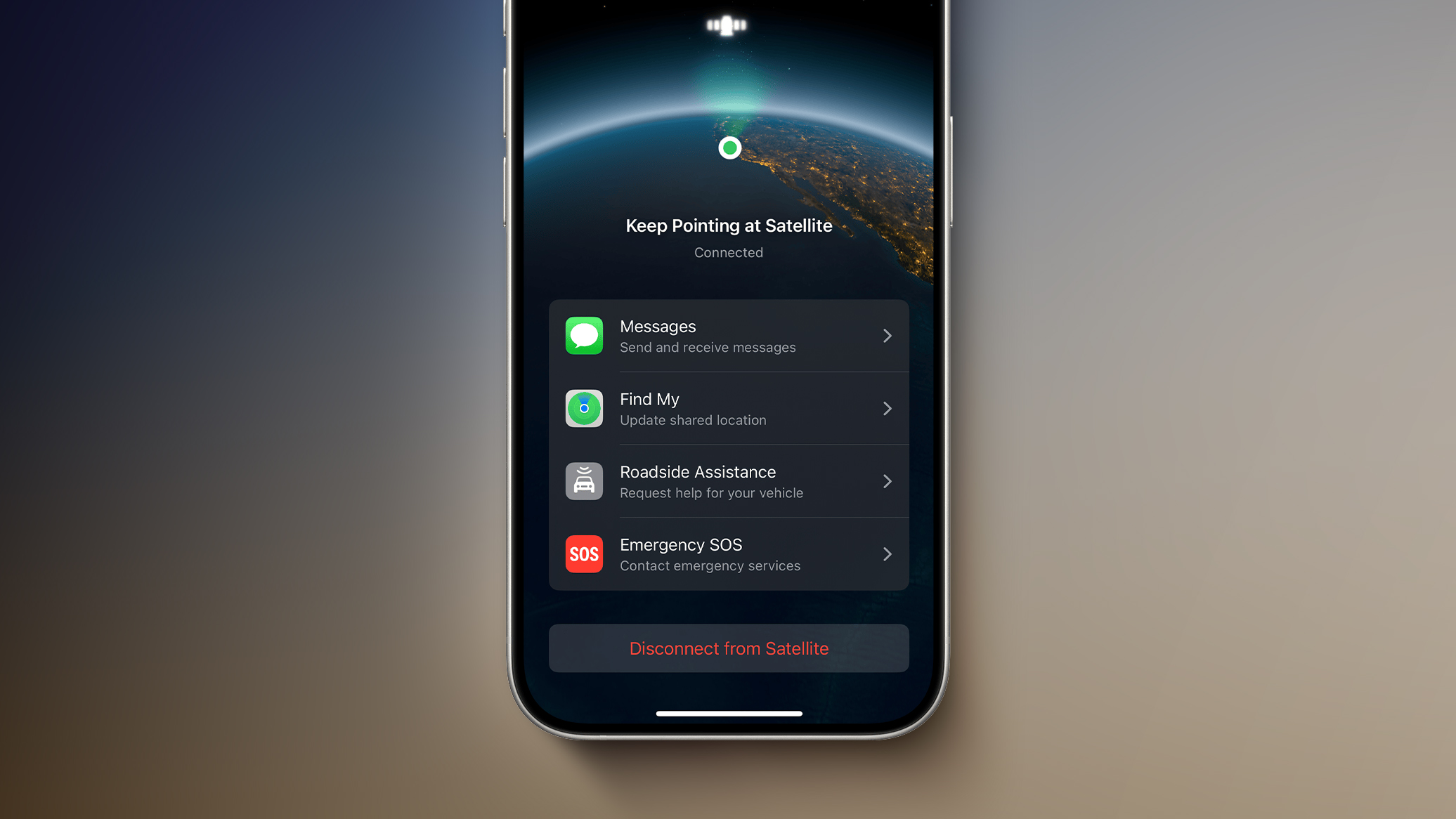
Initially, Apple's satellite functionality was limited to contacting emergency services. However, with the release of iOS 18, users can now send and receive iMessages and standard text messages via satellite (source). Additionally, users can share their location via the Find My app and request roadside assistance, all using the satellite connection.
While these features are available across the U.S., availability in other countries varies. Currently, these features are free to use. Both the Apple-provided satellite features (via Globalstar) and the carrier-provided features (like Starlink via T-Mobile) are supported on all iPhone 14, iPhone 15, and iPhone 16 models running an up-to-date version of iOS.
This article, "Apple and SpaceX Reportedly 'Clashing' Over Satellite Texting Features" first appeared on MacRumors.com
Discuss this article in our forums
from MacRumors
-via DynaSage

Post a Comment